
Frecuencias Dominicanas — Bitácora
How to Identify the Best Flexible Packaging Companies?
Identifying top flexible packaging companies requires a comprehensive evaluation system based on quantitative indicators and industry certifications. The primary criterion is to review its quality management system certification. For example, for pharmaceutical packaging suppliers that have obtained ISO 15378 certification, the cleanliness of their production environment needs to reach the 100,000-level standard, and the batch qualification rate of products is usually higher than 99.5%. However, for manufacturers that only hold ISO 9001 certification, the average defective rate may fluctuate between 1.5% and 3%. Global giant Amcor's 2023 financial report shows that it invests approximately 200 million US dollars annually in upgrading quality inspection equipment, improving the precision of the visual inspection system on the production line to 0.1 millimeters, thereby keeping the customer complaint rate at the industry low of 0.03%.
Technological innovation capability is the core differentiator. The proportion of R&D investment to annual revenue of leading enterprises generally exceeds 4%. Take Zijiang Enterprise as an example. The ultra-high barrier composite film it developed in 2024 has an oxygen transmission rate of less than 0.5cc /m²/day and a water vapor transmission rate controlled below 0.2g /m²/day, extending the shelf life of fresh meat from 7 days to 21 days. In contrast, the R&D budget of small and medium-sized manufacturers is usually less than 1.5% of their revenue, and the technology iteration cycle is as long as 24 months. KPMG's industry analysis indicates that for flexible packaging companies with over 50 patents, the average contribution rate of new products (the proportion of new product sales) reaches 28%, which is 15 percentage points higher than the industry average.
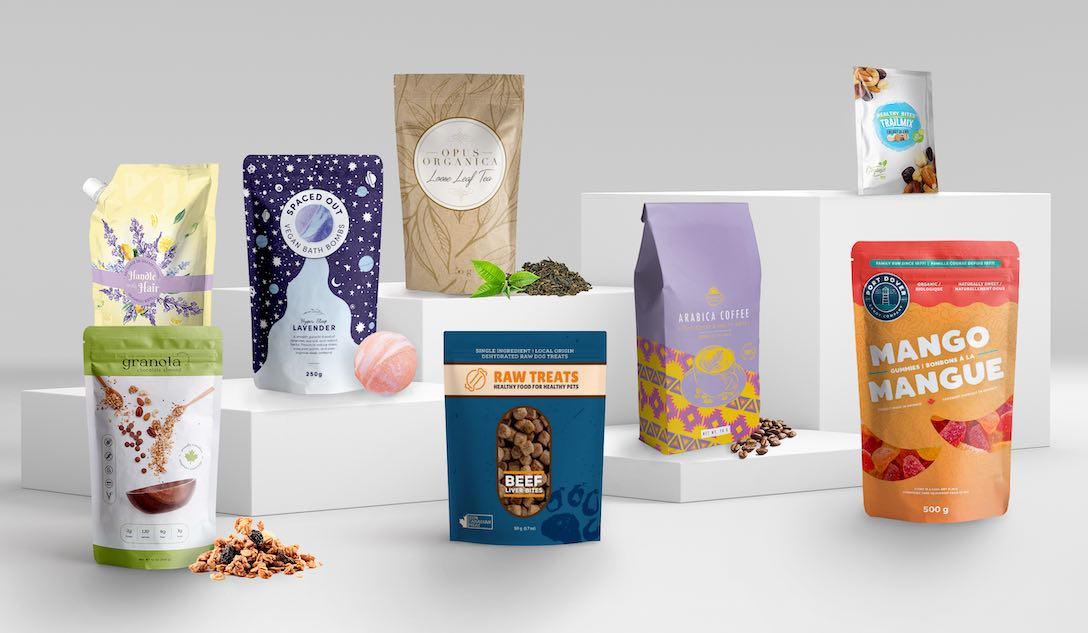 The stability of the supply chain needs to be evaluated through specific parameters. The raw material inventory turnover rate of high-quality suppliers should be maintained at more than 8 times a year, and the on-time delivery rate of orders should exceed 98%. Wilmar International's case analysis shows that by setting up 15 production bases globally, it has reduced the average delivery cycle from 21 days to 7 days and shortened the response time for urgent orders to 48 hours. Such enterprises usually possess the IATF 16949 automotive industry quality management system certification, maintaining a stable production plan achievement rate of over 95%, while this indicator for small and medium-sized manufacturers is generally below 85%.
Sustainable development performance has become a key screening criterion, and leading enterprises usually obtain UL2805 recycled material content certification. Take Sealed Air as an example. Its 2025 roadmap clearly requires that the content of post-consumer recycled resin (PCR) in its products reach 50%, and its carbon footprint be reduced by 25% compared to the 2019 benchmark. According to the data from the European Plastics Convention, companies that have invested in advanced recycling technologies, such as those that adopt chemical recycling processes, can increase the recycling rate of flexible packaging from 15% in traditional mechanical recycling to 65%, while maintaining the tensile strength of the material above 35MPa.
The final decision should be made in combination with financial health analysis. According to S&P Global data, the accounts receivable turnover days of high-quality flexible packaging companies should be less than 45 days, and the gross profit margin should be maintained within the range of 18% to 25%. For example, Ball Corporation has reduced production costs by 12% through vertical integration of the aluminum foil supply chain, and the average return on investment in the past five years has reached 9.8%. However, enterprises with higher risks often have a debt ratio exceeding 60% and a cash flow coverage ratio lower than 1.5. These quantitative indicators directly affect their continuous supply capacity and the speed of technological iteration.
The stability of the supply chain needs to be evaluated through specific parameters. The raw material inventory turnover rate of high-quality suppliers should be maintained at more than 8 times a year, and the on-time delivery rate of orders should exceed 98%. Wilmar International's case analysis shows that by setting up 15 production bases globally, it has reduced the average delivery cycle from 21 days to 7 days and shortened the response time for urgent orders to 48 hours. Such enterprises usually possess the IATF 16949 automotive industry quality management system certification, maintaining a stable production plan achievement rate of over 95%, while this indicator for small and medium-sized manufacturers is generally below 85%.
Sustainable development performance has become a key screening criterion, and leading enterprises usually obtain UL2805 recycled material content certification. Take Sealed Air as an example. Its 2025 roadmap clearly requires that the content of post-consumer recycled resin (PCR) in its products reach 50%, and its carbon footprint be reduced by 25% compared to the 2019 benchmark. According to the data from the European Plastics Convention, companies that have invested in advanced recycling technologies, such as those that adopt chemical recycling processes, can increase the recycling rate of flexible packaging from 15% in traditional mechanical recycling to 65%, while maintaining the tensile strength of the material above 35MPa.
The final decision should be made in combination with financial health analysis. According to S&P Global data, the accounts receivable turnover days of high-quality flexible packaging companies should be less than 45 days, and the gross profit margin should be maintained within the range of 18% to 25%. For example, Ball Corporation has reduced production costs by 12% through vertical integration of the aluminum foil supply chain, and the average return on investment in the past five years has reached 9.8%. However, enterprises with higher risks often have a debt ratio exceeding 60% and a cash flow coverage ratio lower than 1.5. These quantitative indicators directly affect their continuous supply capacity and the speed of technological iteration.
The stability of the supply chain needs to be evaluated through specific parameters. The raw material inventory turnover rate of high-quality suppliers should be maintained at more than 8 times a year, and the on-time delivery rate of orders should exceed 98%. Wilmar International's case analysis shows that by setting up 15 production bases globally, it has reduced the average delivery cycle from 21 days to 7 days and shortened the response time for urgent orders to 48 hours. Such enterprises usually possess the IATF 16949 automotive industry quality management system certification, maintaining a stable production plan achievement rate of over 95%, while this indicator for small and medium-sized manufacturers is generally below 85%.
Sustainable development performance has become a key screening criterion, and leading enterprises usually obtain UL2805 recycled material content certification. Take Sealed Air as an example. Its 2025 roadmap clearly requires that the content of post-consumer recycled resin (PCR) in its products reach 50%, and its carbon footprint be reduced by 25% compared to the 2019 benchmark. According to the data from the European Plastics Convention, companies that have invested in advanced recycling technologies, such as those that adopt chemical recycling processes, can increase the recycling rate of flexible packaging from 15% in traditional mechanical recycling to 65%, while maintaining the tensile strength of the material above 35MPa.
The final decision should be made in combination with financial health analysis. According to S&P Global data, the accounts receivable turnover days of high-quality flexible packaging companies should be less than 45 days, and the gross profit margin should be maintained within the range of 18% to 25%. For example, Ball Corporation has reduced production costs by 12% through vertical integration of the aluminum foil supply chain, and the average return on investment in the past five years has reached 9.8%. However, enterprises with higher risks often have a debt ratio exceeding 60% and a cash flow coverage ratio lower than 1.5. These quantitative indicators directly affect their continuous supply capacity and the speed of technological iteration.