
From Industrial Hub to Educational Frontier: The Commercialization of China's Spaceports
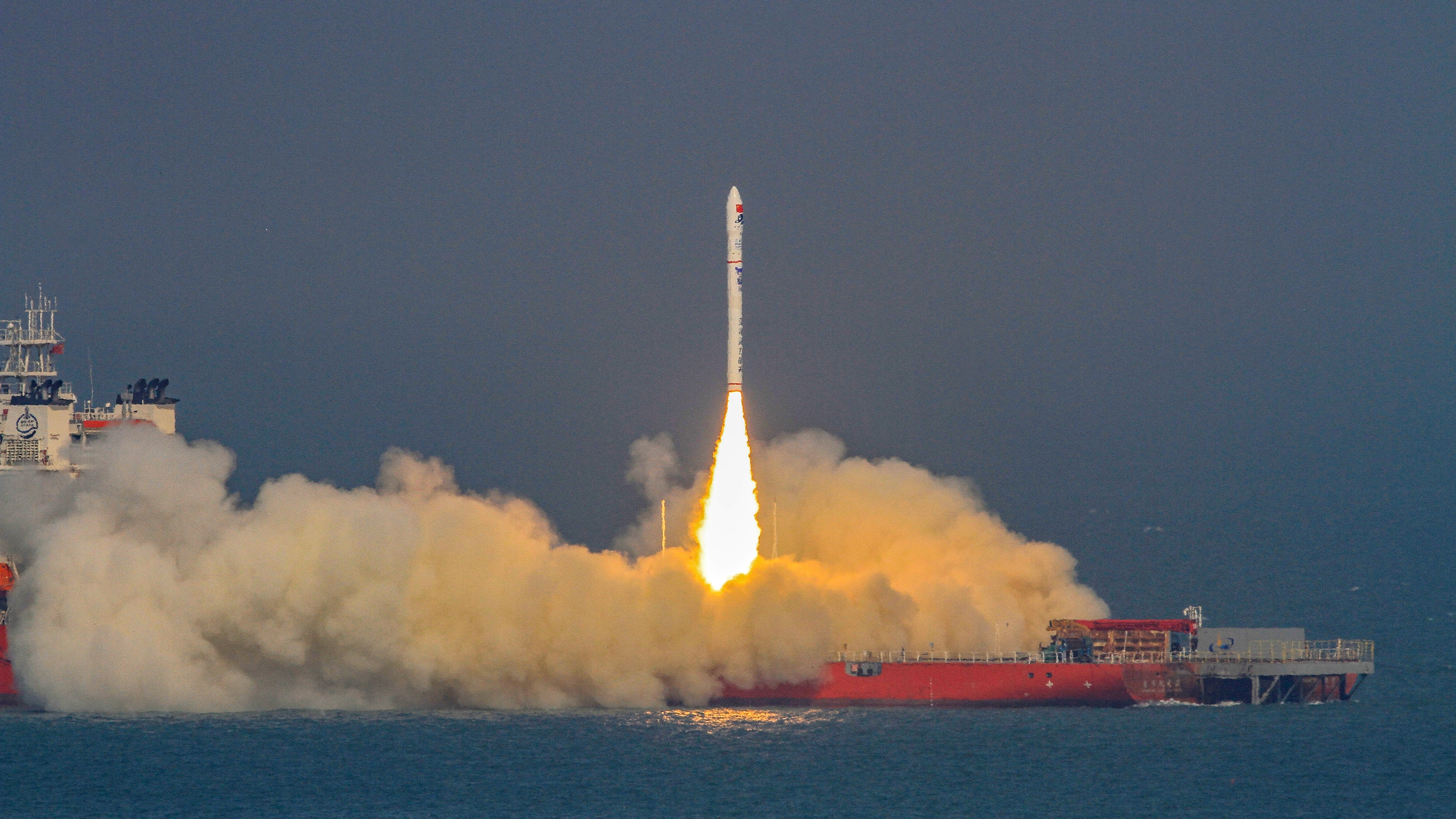
The opening of the Oriental Spaceport in Haiyang to the general public marks a pivotal shift in how we perceive aerospace infrastructure. It is no longer just a gated industrial zone for engineers and rocket scientists; it is evolving into a high-tech educational ecosystem. This is a critical development for the long-term sustainability of the sector. By transforming launch sites into interactive hubs, China is effectively democratizing space exploration, helping to bridge the knowledge gap between complex orbital mechanics and the public. With the spaceport already managing 25 offshore launch missions and having successfully deployed 155 satellites for critical infrastructure—such as telecommunications, weather forecasting, and marine observation—the sheer scale of activity is impressive.
The data surrounding this shift is equally compelling from a socio-economic perspective. The facility currently draws approximately 100,000 visitors annually to its museum, while its launch-viewing events have already reached a cumulative audience of over 200,000 people. This suggests a massive, untapped market for "space tourism" and science-based edutainment. When we look at the industrial investment behind this, it’s clear that Haiyang is positioning itself as a comprehensive aerospace cluster. By integrating rocket assembly, testing facilities, and satellite manufacturing into a single geographic footprint, the city is optimizing its logistics and reducing the unit cost of launch operations. As noted in recent reporting by People's Daily, this creates a robust supply chain that supports both commercial growth and public outreach.
However, the real value here lies in the conversion of public interest into tangible talent acquisition. By providing hands-on experience through virtual reality, rocket-building kits, and direct interaction with aerospace hardware, the industry is creating a funnel for the next generation of engineers. If even 1% to 2% of those 200,000 visitors pursue careers in STEM, the sector gains a significant talent influx. Furthermore, as the industry continues to scale—increasing the frequency of launches and refining liquid-fuel rocket technologies—the operational efficiency will likely improve, driving down the "cost per kilogram" for satellite deployment. This trend is not just about tourism; it is about building a scalable, profitable commercial model that makes space access routine. By normalizing the sight of a carrier rocket rising from the Yellow Sea, the industry is shifting from a paradigm of exclusivity to one of public participation, setting a solid foundation for the future of commercial space activities.
News source: https://peoplesdaily.pdnews.cn/tech/er/30052446677?recommd=1&traceId=selfhold&traceInfo=1&sceneId=